If you're weighing up bathroom wall panels vs tiles in NZ, the short version is this: an acrylic shower is the quickest and easiest to clean, tile-look wall panels give you the look of tile with no grout and no consent, and full tiles give you complete freedom of shape and finish but take the longest and need building consent in Auckland. None of them is the "right" answer for every house.
We build all three. Here's what each one is, what it costs in time and money, and which bathroom suits which option.
The three options, in plain terms
Acrylic shower
An acrylic shower is a factory-made unit: a moulded tray and wall liner, usually with a glass door or screen. The waterproofing is built into the product, so the job on site is mostly plumbing, fixing and sealing. That's why it's the fastest way to get a new shower.
The trade-off is choice: standard sizes, and a clean, modern look rather than a tiled one.
Tile-look wall panels
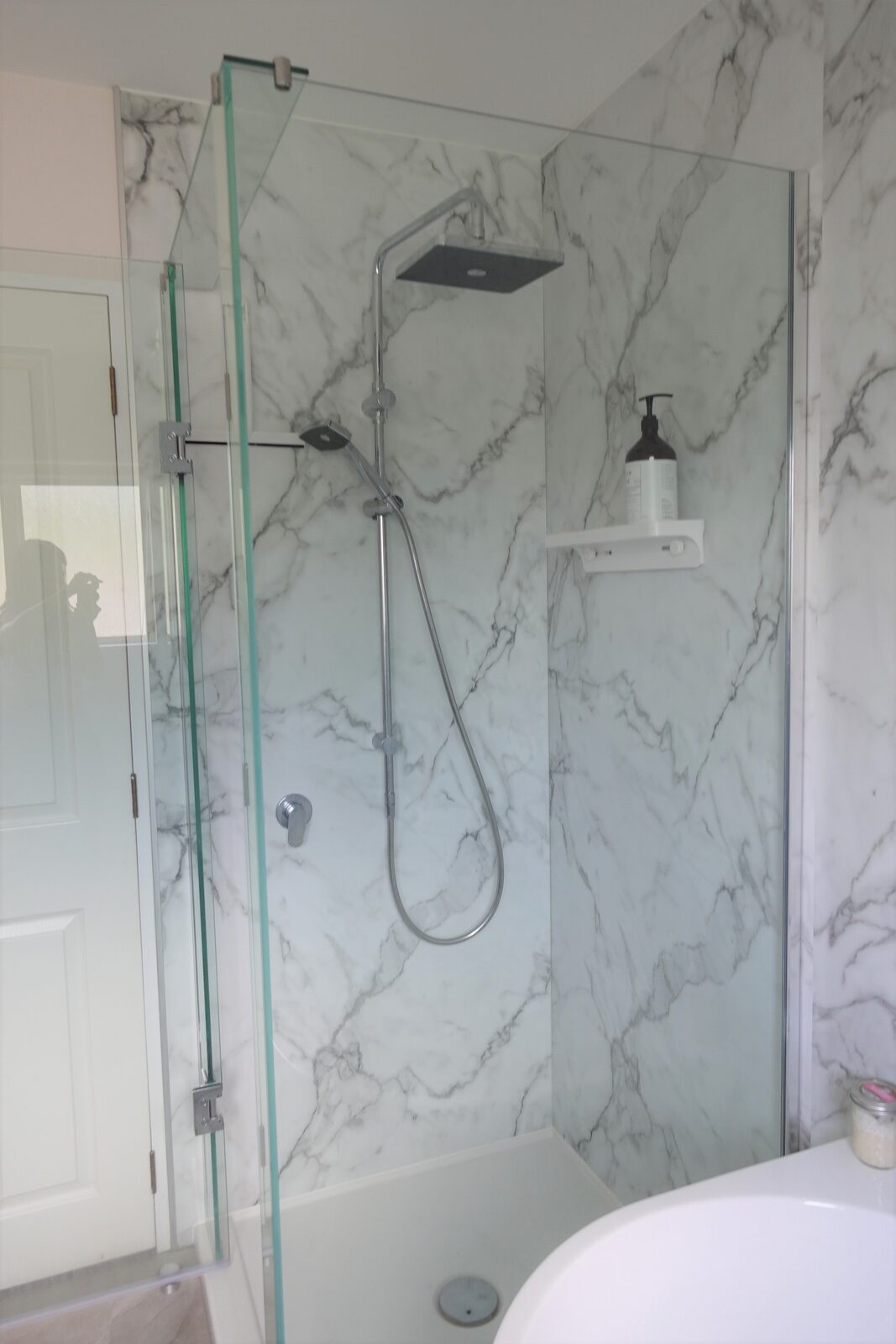
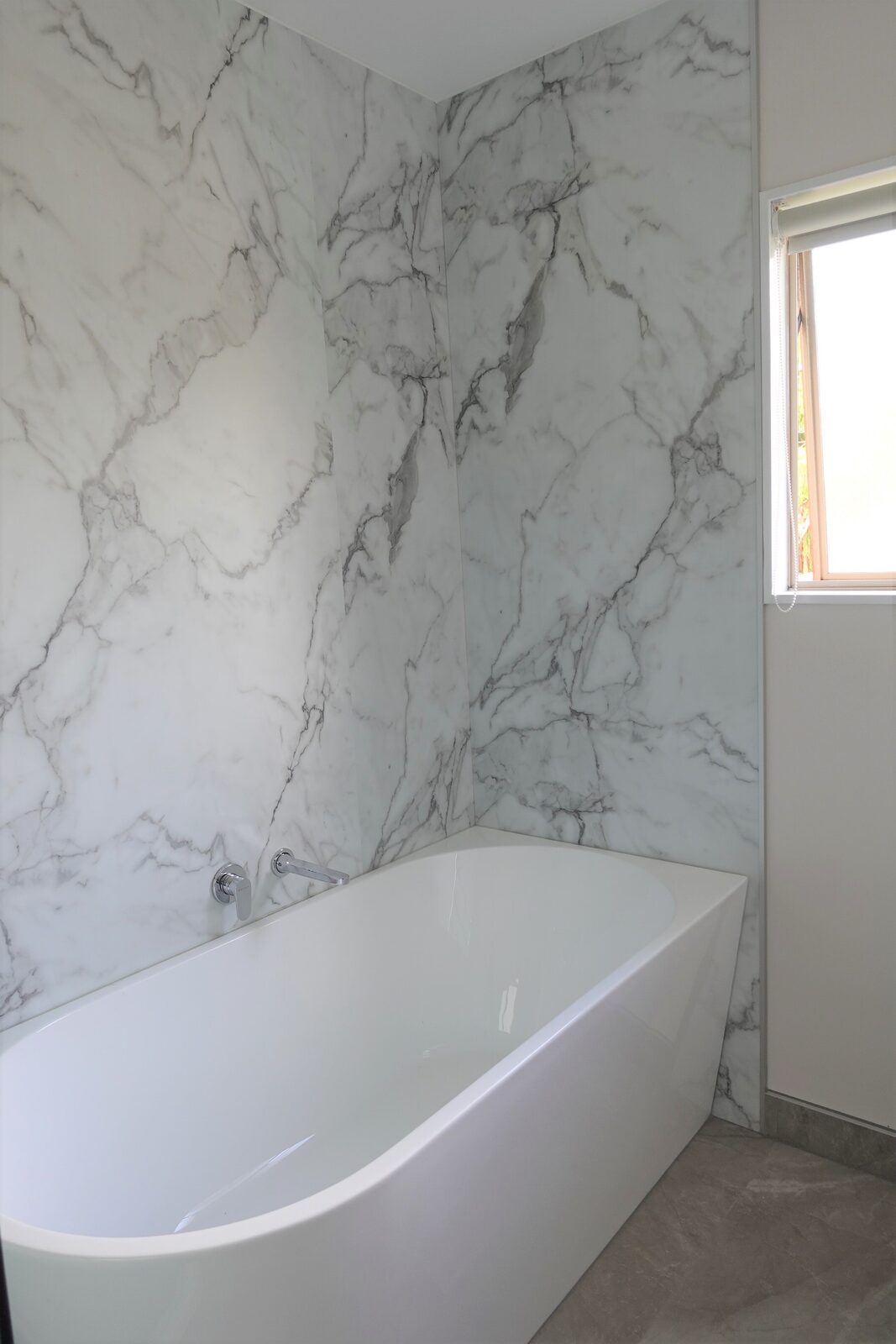
Tile-look panels are large, rigid, waterproof sheets with a surface printed or textured to look like tile, marble, stone or concrete. The joints are sealed with trims or a jointing system, so there's no grout anywhere. They go up in a day or two once the walls are flat.
We cover them in detail in our honest review of tile-look wall panels, including where they fall short.
Full tile
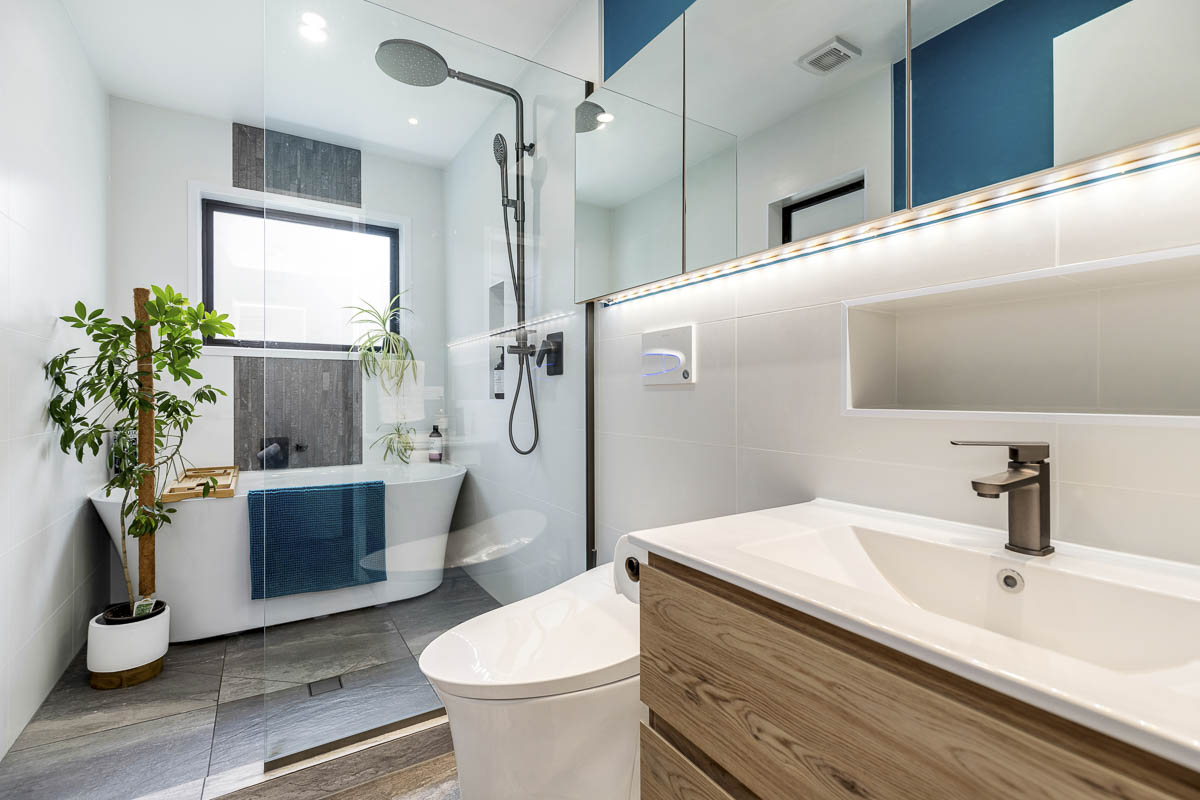
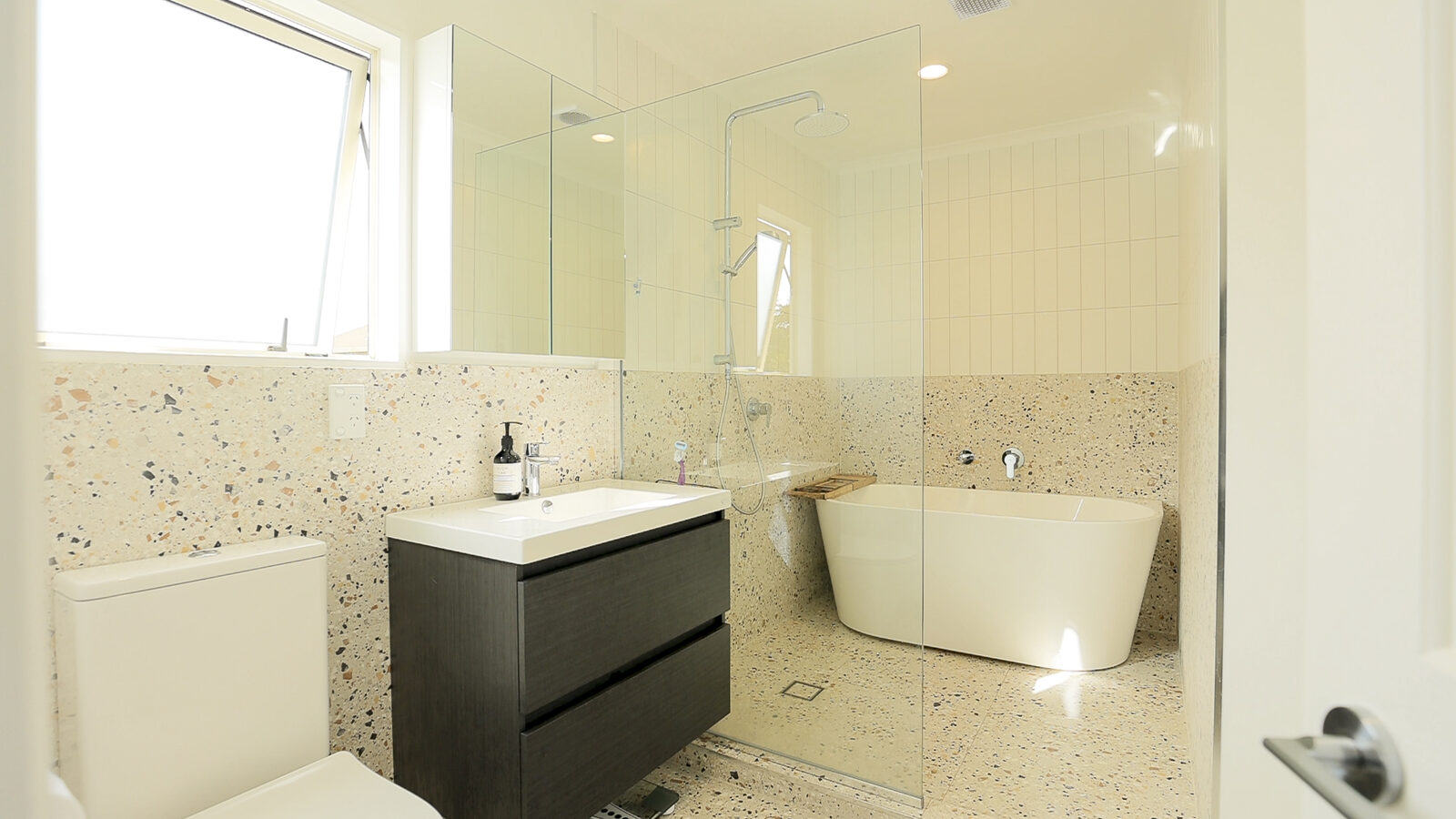
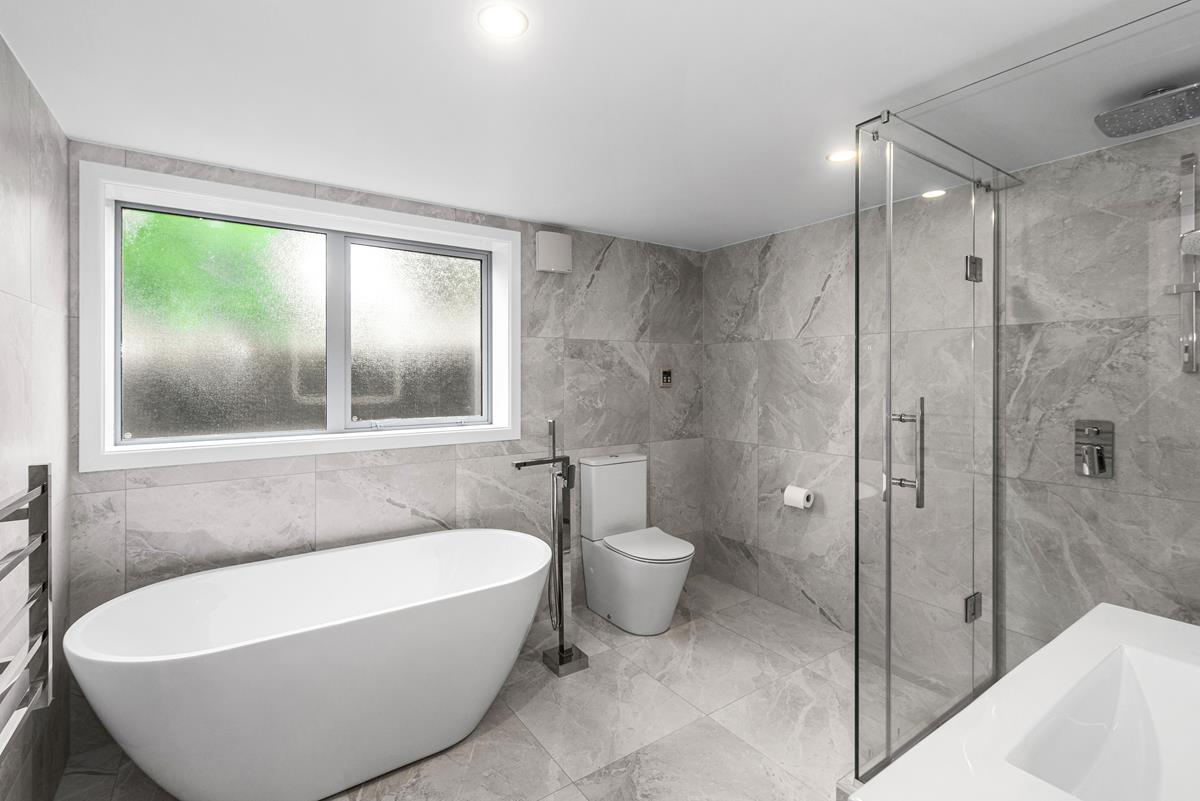
A fully tiled bathroom is built on site. The wall framing is lined, a waterproofing membrane goes over the substrate in the wet areas, and the tiles are laid on top. The tiles and grout look after the finish; the membrane underneath does the waterproofing.
It's the most flexible option: any tile, any size of shower, level entry, niches and benches. It's also the slowest, and in Auckland a tiled wet-area shower needs building consent. If you're choosing tiles, start with how to choose bathroom tiles.
Side by side
| Acrylic shower | Tile-look panels | Full tile | |
|---|---|---|---|
| Look | Clean, modern, one piece | Tile, marble or stone look, no grout | Any tile you like |
| Shape | Standard sizes | Most shapes, simple details | Any shape, niches, benches, level entry |
| Time on site | Shortest | About 3 weeks with our package | About 4 weeks with our package |
| Building consent | Usually not for like-for-like | Usually not for like-for-like | Yes, in Auckland |
| Waterproofing | Built into the unit | Panel system, trims and sealant | Membrane under the tiles |
| Cleaning | Easiest | Easy | Grout needs care |
| Our package | The Upgrade | The Tile-Look | The Full Tile |
Cost and time
The wall finish is one of the biggest things that sets the price of a bathroom, mostly because it decides how many trades are involved and how long the room is out of action.
- Acrylic needs a plumber, a builder and a painter. No membrane, no tiler, no curing time. Our Upgrade package (two weeks, from $25,000) includes a new acrylic shower, Traffic 200 vinyl flooring and painting.
- Tile-look panels add wall lining and panel work but still skip the membrane and grout. Our Tile-Look package (three weeks, from $29,000) adds tile-look wall panels, a tiled floor and standard fittings.
- Full tile adds the membrane, its drying time, a tiler, grouting, consent paperwork and council inspections. Our Full Tile package (four weeks on site, from $35,000) includes the consent, which we lodge and manage before work starts.
These are indicative starting prices. Bigger rooms, layout changes and premium fittings add to them, and we confirm a fixed price after a short site check. The full breakdown is in our bathroom renovation cost guide, and we compare the two shower types head to head in tiled shower vs acrylic shower.
Consent and waterproofing
This is where the three options really differ.
Replacing an existing shower with a new acrylic or panel shower in the same place is usually exempt from building consent, as long as the number of fixtures doesn't increase and the plumbing is done by a licensed plumber. Auckland Council's guidance is that a tiled wet-area shower needs building consent, because it involves carpentry and a waterproofing membrane. See Auckland Council's renovation guidance and our explainer on why a tiled shower needs consent.
Moving the shower, adding a fixture or changing the drainage can bring consent into play whichever finish you pick. If you're unsure, check with Auckland Council or ask us.
With tile, the membrane is the part that matters most, and it's hidden the moment the tiles go on. That's why consented tiled showers have inspections during the build. Read bathroom waterproofing and the Building Code for how it should be done.
Cleaning and mould
- Acrylic is a wipe-down surface with very few joints. Keep the silicone in good shape and it stays clean.
- Panels have no grout at all. The joints are trims and sealant, which wipe clean.
- Tile has grout lines, and cement-based grout is porous. In a damp, poorly ventilated room it's where black mould settles first. Larger tiles and better grout reduce the problem, and a good extractor fan does most of the work.
We explain the causes and the fixes in mould in the grout. Whatever you choose, ventilation is the real cure: see bathroom ventilation and extractor fans.
Fixed price · fixed finish date
Indicative starting prices. Your fixed price is confirmed after a short site check.
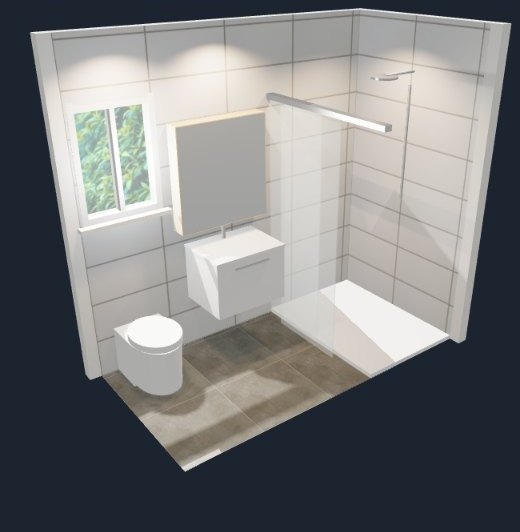
Not sure which one? Plan it free in 3D or get an instant estimate.
The floor and fittings that go with your walls
Walls are only half of it. The floor and fittings need to suit the wall finish and the way you use the room.
- Floor. Our Upgrade package uses Traffic 200 vinyl; the Tile-Look and Full Tile packages have a tiled floor. We compare the two in vinyl or tiles for your bathroom floor.
- Vanity. A wall-hung vanity needs solid framing behind the wall, which is easier to add when the walls are open. See wall-hung or floor-standing vanity.
- Tapware. Chrome, matte black and brushed brass all wear differently, and they look different against panels and tiles. Read picking a tapware finish.
- Extras. A heated towel rail and a demister mirror help a bathroom dry out and stay usable. Wiring for them is easiest to run while the walls are open. See heated towel rails, LED mirrors and demisters.
Which option suits your bathroom?
Choose acrylic if
You want the room back quickly, the budget is tight, it's a rental, or easy cleaning matters more than the look. It's also a sensible choice in a second bathroom or a small ensuite. Our rental bathroom guide covers why landlords often pick it.
Choose tile-look panels if
You want a tiled or stone look in a family bathroom or ensuite, you'd rather not deal with grout, and you don't want the bathroom out of action for a month. The shower stays in roughly the same place.
Choose full tile if
You want a walk-in or level-entry shower with no tray, niches or a bench, a specific tile, or you're moving the layout anyway. It's also the natural choice in a character home where the bathroom is a feature. Older villas and bungalows often need the walls straightened whichever option you pick; see renovating a villa bathroom.
If you're still unsure, try the 3D bathroom designer to see each finish in a layout like yours, or get an instant estimate.
Frequently asked questions
Are bathroom wall panels cheaper than tiles in NZ?
Usually, yes, mostly because panels avoid the membrane, the tiler's time, grouting and consent. In our packages, the Tile-Look starts from $29,000 and the Full Tile from $35,000. Your actual price depends on the room size, layout and fittings.
Do bathroom wall panels look cheap?
Good-quality panels on flat, well-prepared walls look sharp from normal viewing distance, especially the large marble and stone looks. Panels stuck over crooked walls with gappy sealant don't. The preparation matters as much as the product.
Do I need building consent to tile a shower in Auckland?
Yes. Auckland Council treats a tiled wet-area shower as consented work. A like-for-like acrylic or panel shower usually doesn't need consent. Check with Auckland Council for edge cases, or ask us.
Which is easiest to clean: acrylic, panels or tiles?
Acrylic is easiest, panels are a close second because there's no grout, and tiles take the most care because grout is porous. Good ventilation makes the biggest difference to all three.