Black mould in bathroom grout grows because grout and silicone stay damp for hours after every shower, and cement-based grout is porous enough to hold moisture and soap residue for mould to feed on. Clean it and it comes back, unless you fix the damp. The lasting fix is ventilation first, then better grout and silicone, and sometimes fewer grout lines altogether.
Why mould loves grout
Mould needs moisture, warmth and something to feed on. A bathroom gives it all three.
- Moisture. Every shower fills the room with steam. If it can't get out, it condenses on the coldest surfaces and soaks into grout.
- A porous surface. Standard cement-based grout absorbs water. Unsealed or worn grout stays damp long after the tiles have dried.
- Food. Soap scum, body oils and skin cells settle in the grout lines and give mould something to grow on.
Auckland's humid climate doesn't help, and nor does a fan that vents into the ceiling space.
Grout or silicone?
Look closely at where the black marks are.
- On the grout lines between tiles, it's usually surface mould that can be cleaned.
- In the silicone along the shower tray, bath or bench, mould grows into the sealant itself. You can lighten it, but it won't come out. The fix is to cut the old silicone out, clean and dry the joint, and reseal.
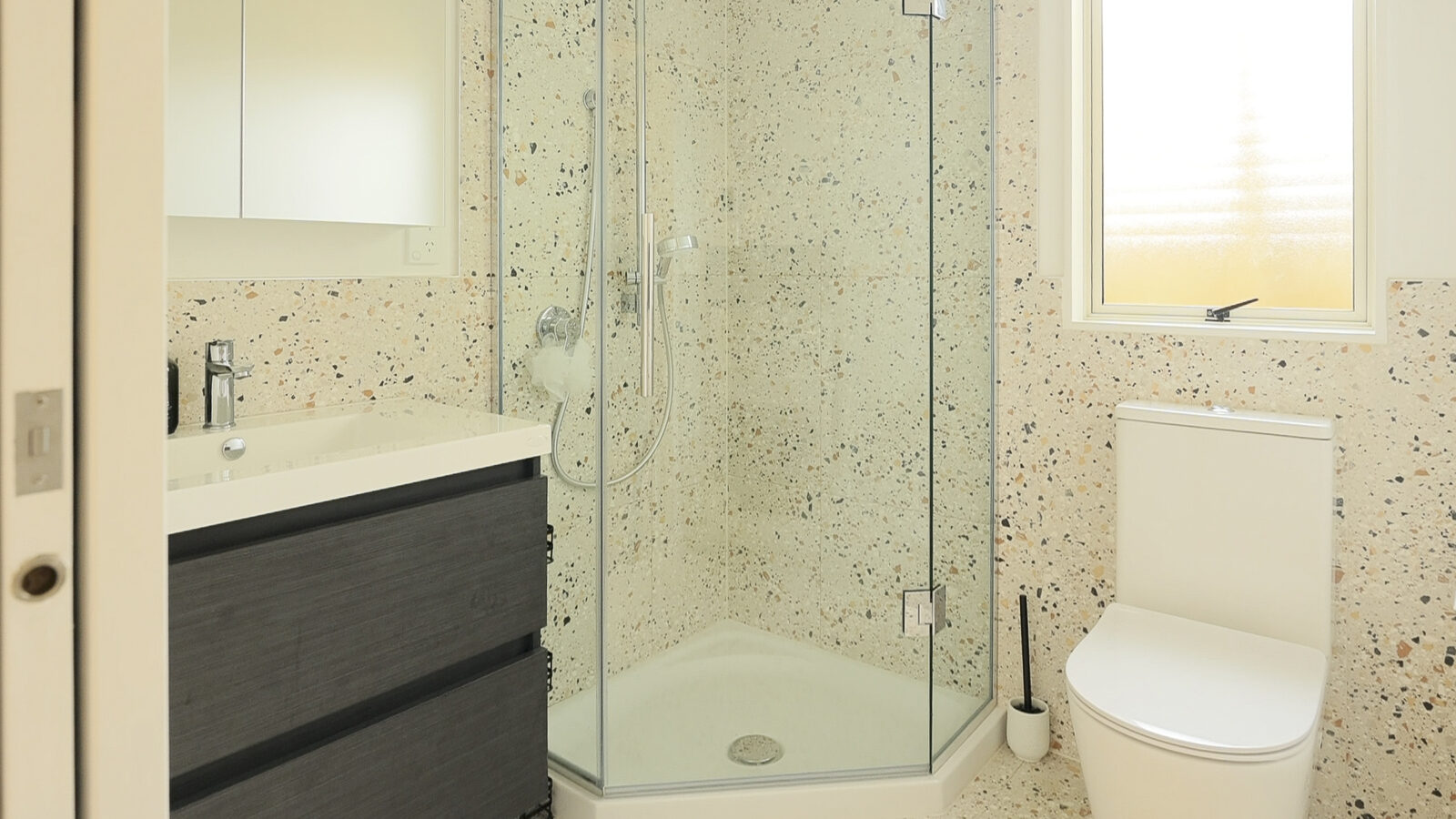
How to clean mouldy grout
For surface mould on grout:
- Ventilate. Open the window and run the fan.
- Use a bathroom mould cleaner or a diluted bleach solution, following the label. Test a small area first, especially on coloured grout.
- Never mix cleaners. Bleach mixed with ammonia or acidic cleaners gives off dangerous fumes.
- Scrub with a stiff brush, rinse well and dry the area.
- Seal cement grout once it's clean and fully dry, if the grout type allows it. A sealer slows water getting in.
Wear gloves and eye protection. If mould keeps returning in the same corner within days, or the grout is cracked and crumbling, there may be more going on.
When mould is a warning sign
Mould on the surface is a ventilation problem. Mould that keeps coming back in one spot, with cracked grout, loose tiles, or soft or stained walls on the other side, can mean water is getting behind the tiles. In older tiled showers that often means the waterproofing has failed.
Cleaning won't fix that. The tiles need to come off so the framing can be checked and repaired. We see it regularly in Auckland bathrooms from the 1980s and 1990s, and it's one of the hidden costs we look for at the pre-start check; see hidden costs in a bathroom renovation and how waterproofing should be done in bathroom waterproofing and the Building Code.
How to stop it coming back
Fix the ventilation
This makes the biggest difference. You need an extractor fan ducted to the outside, sized for the room, and run during and after every shower. For rentals, the Healthy Homes standards require an extractor fan ducted outside, and fans installed after 1 July 2019 must be at least 120 mm in diameter or extract at least 25 litres per second; see tenancy.govt.nz. Our guide to bathroom ventilation and extractor fans covers sizing and ducting.
A heated towel rail helps too, by drying towels quickly instead of leaving them damp in the room. See heated towel rails, LED mirrors and demisters.
Choose better grout and fewer joints
When you renovate, you can design mould out:
- Epoxy or upgraded grouts absorb far less water than standard cement grout. Ask your tiler what they recommend for the shower.
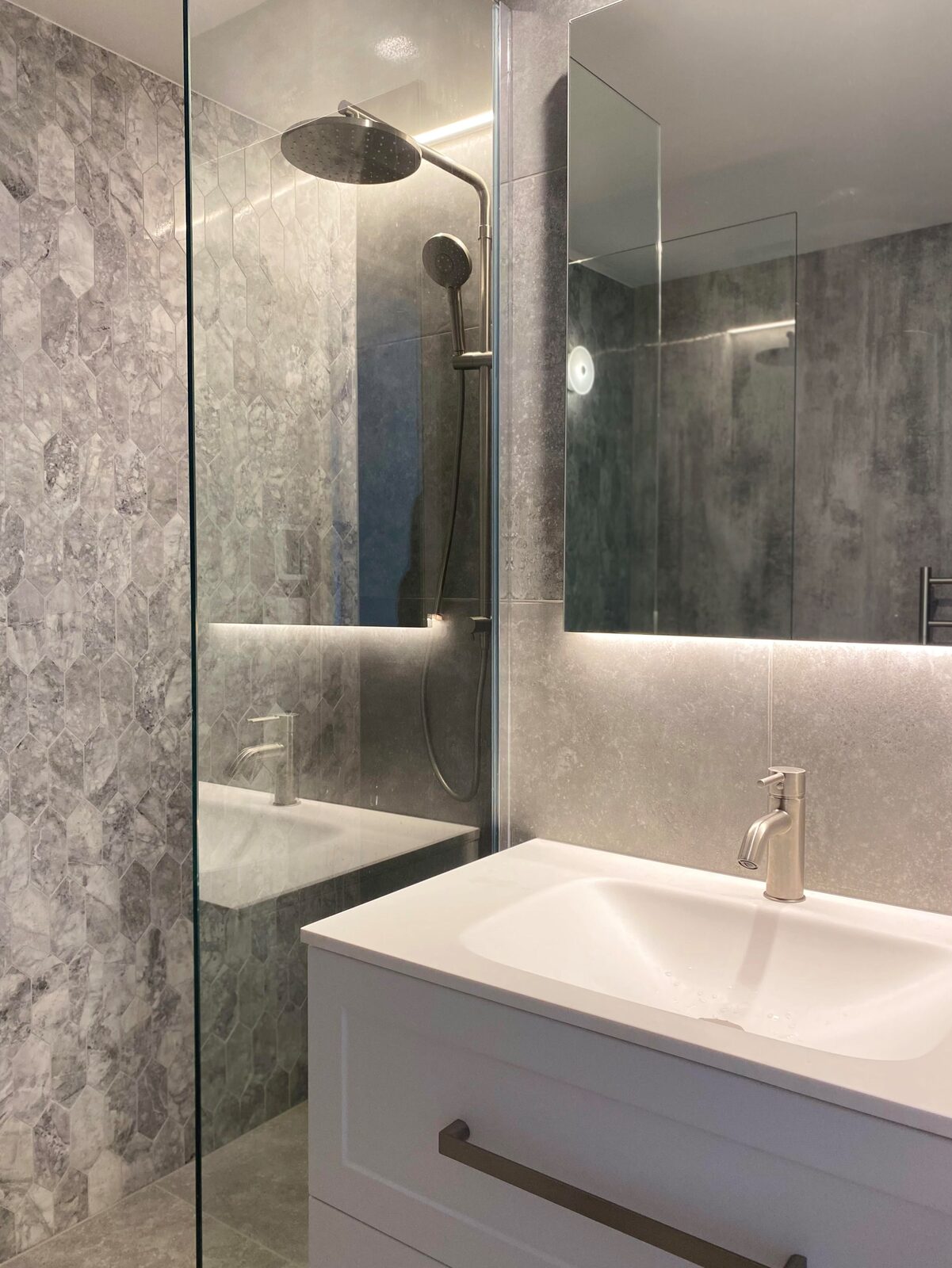
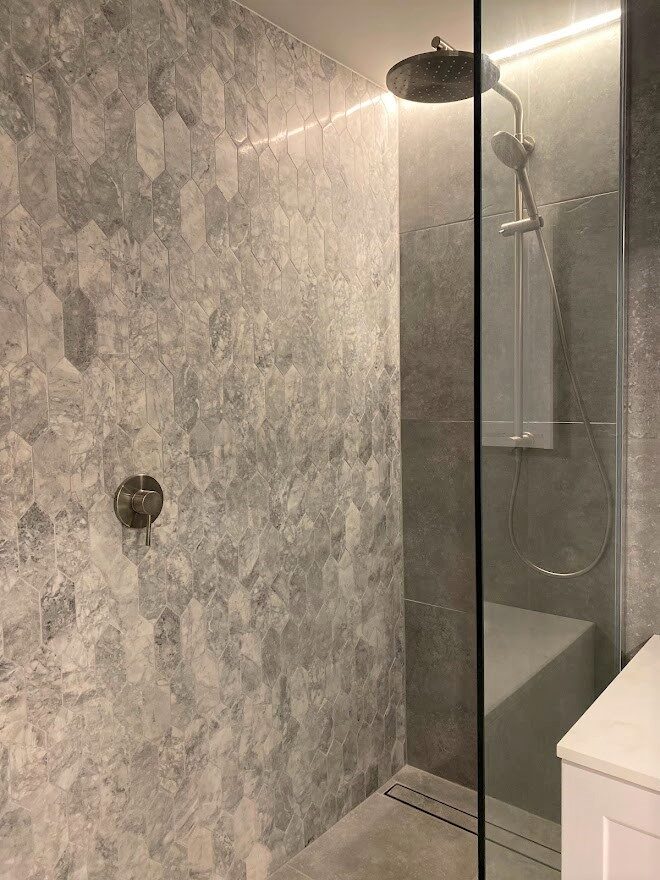
- Large-format tiles mean fewer grout lines. See how to choose bathroom tiles.
- Mid-grey grout shows marks less than bright white.
Fixed price · fixed finish date
Indicative starting prices. Your fixed price is confirmed after a short site check.
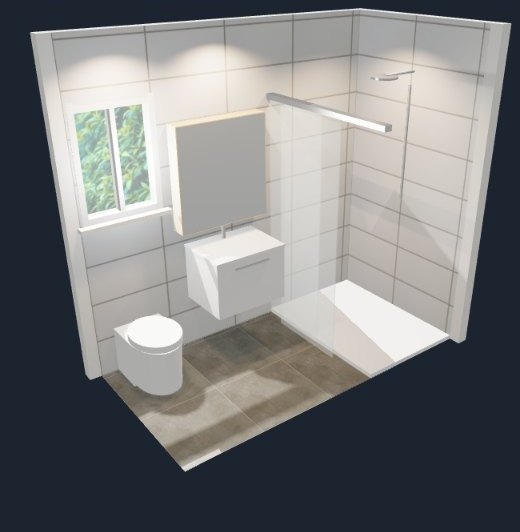
Not sure which one? Plan it free in 3D or get an instant estimate.
Or skip grout altogether
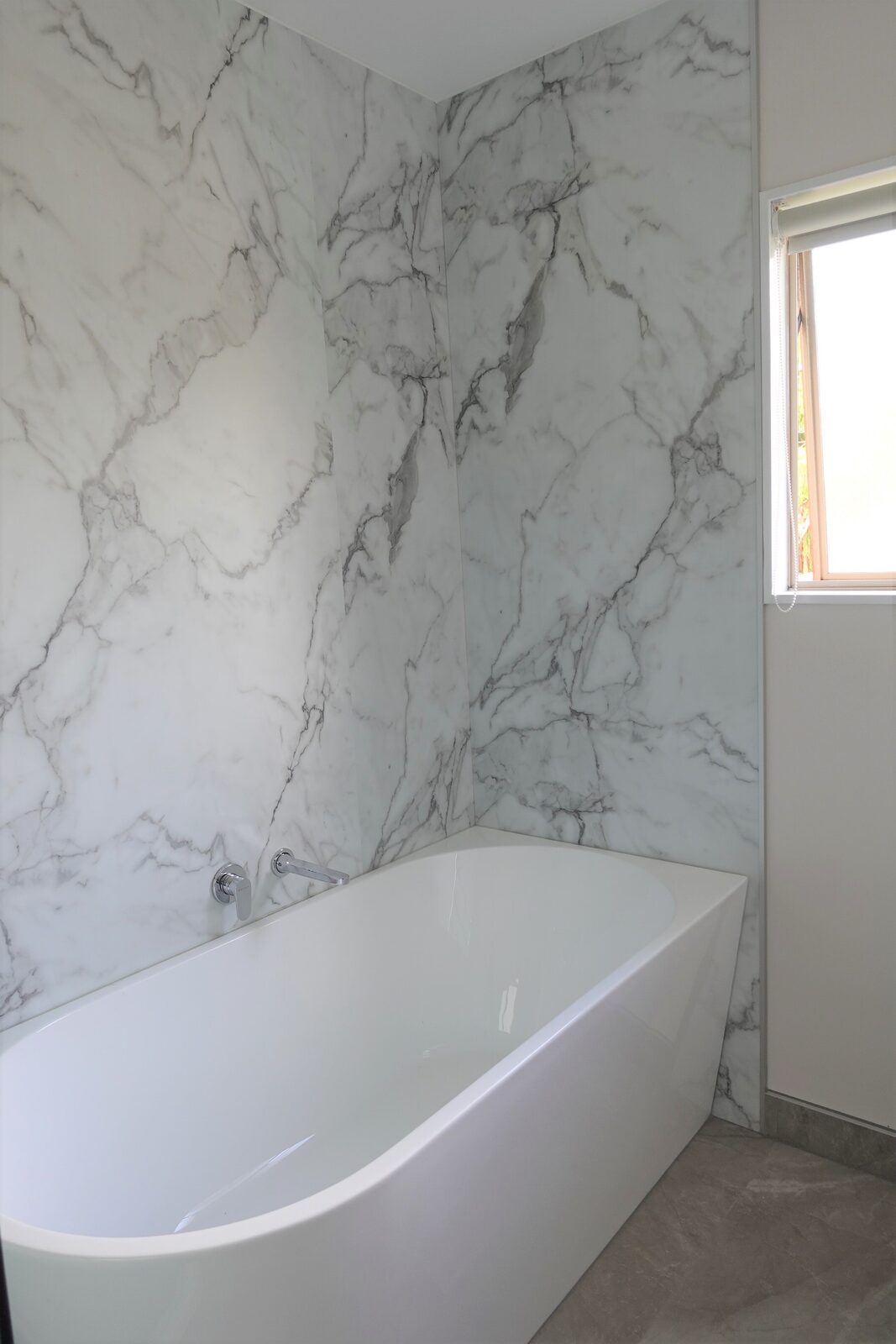
If grout is your main gripe, tile-look wall panels and acrylic showers have no grout lines at all. The joints are trims and sealant that wipe clean. Read our honest review of tile-look wall panels and compare all three options in tiles, wall panels or acrylic.
Everyday habits
Squeegee the shower walls after use, leave the shower door open, run the fan for a while after the shower ends, and wash bath mats and towels often.
Frequently asked questions
How do I get black mould out of bathroom grout?
Ventilate the room, apply a bathroom mould cleaner or diluted bleach following the label, scrub with a stiff brush, rinse and dry. Never mix bleach with other cleaners. Seal the grout once it's dry if the grout type allows it.
Why does mould keep coming back in my shower?
Usually because the room stays damp: the extractor fan is too weak, isn't ducted outside or isn't run long enough. If it returns in one spot with cracked grout or loose tiles, water may be getting behind the tiles.
Can you remove mould from silicone?
Not fully. Mould grows into the silicone itself. The fix is to cut out the old sealant, clean and dry the joint, and reseal.
Is grout-free better for mould?
Tile-look panels and acrylic showers have no grout lines, so there's far less for mould to settle in. Good ventilation still matters, because condensation can grow mould on any surface.