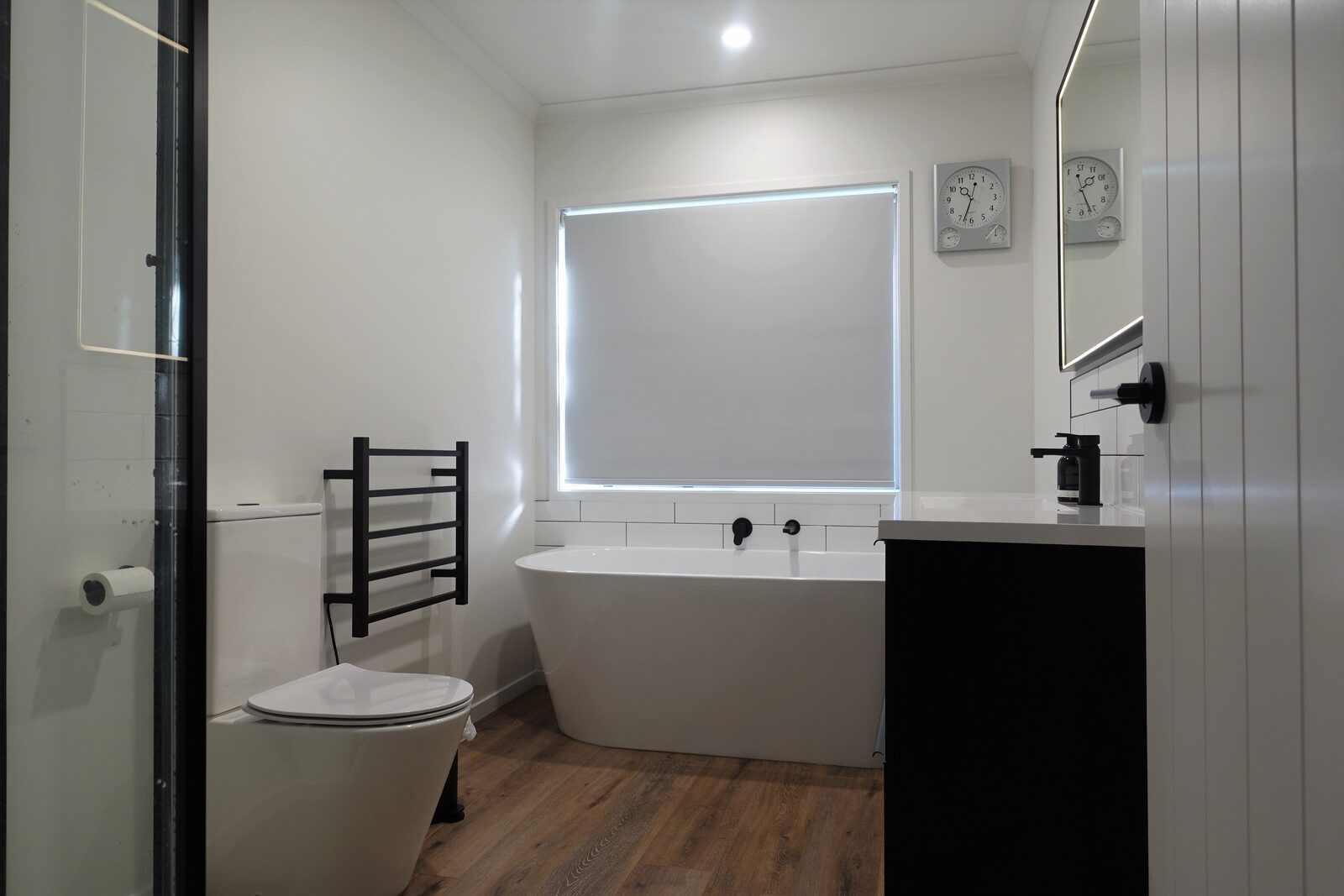
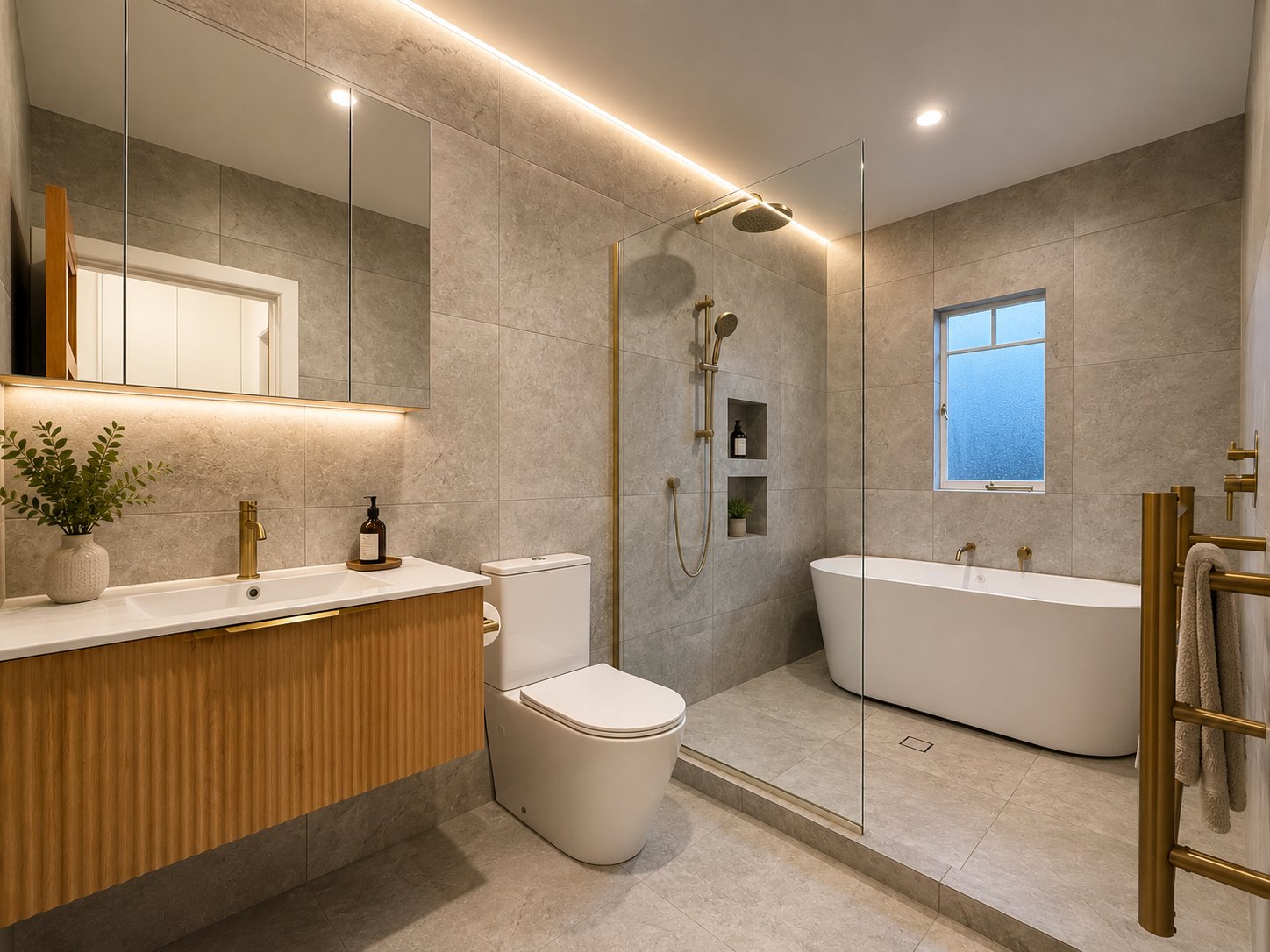
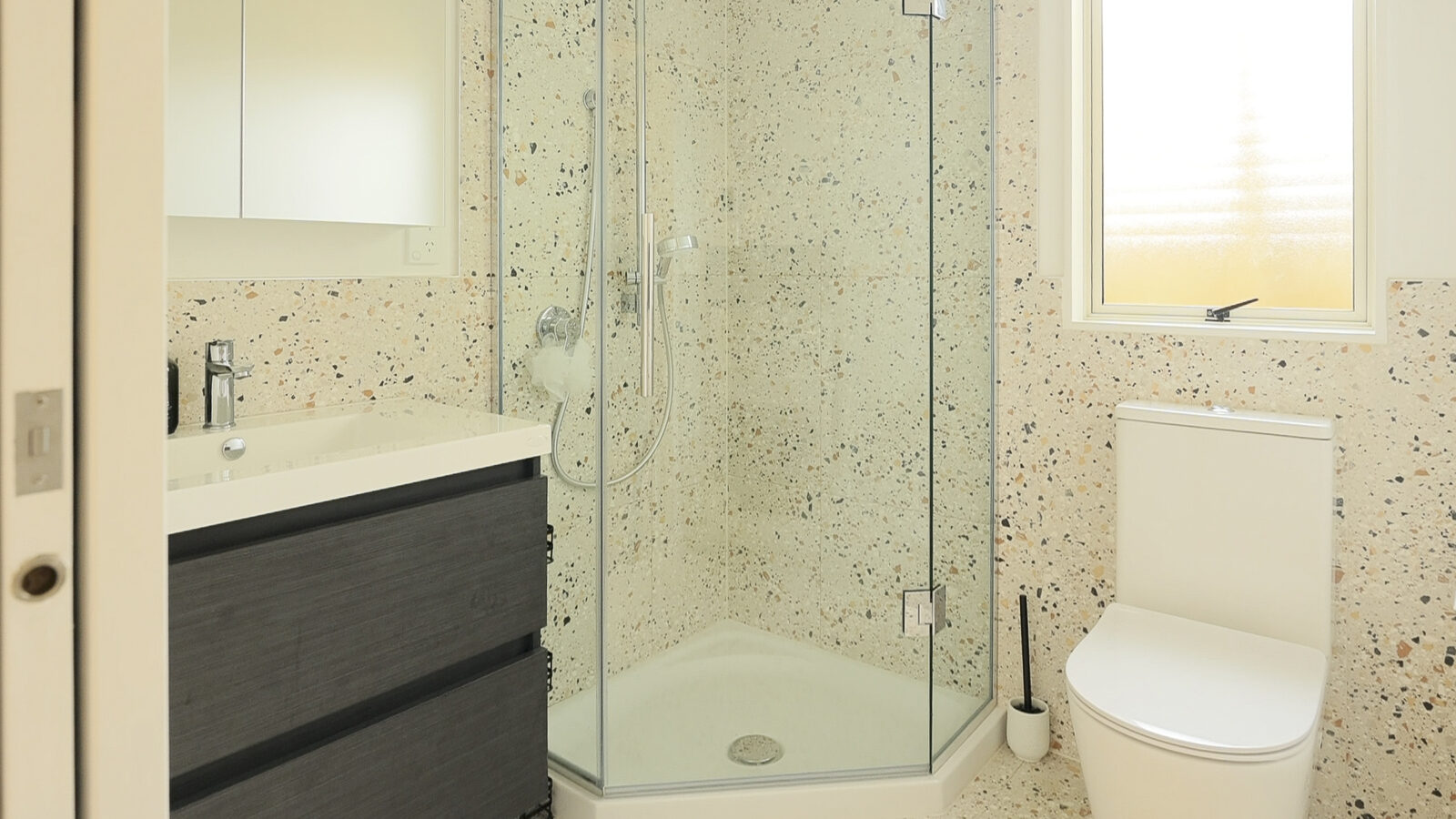
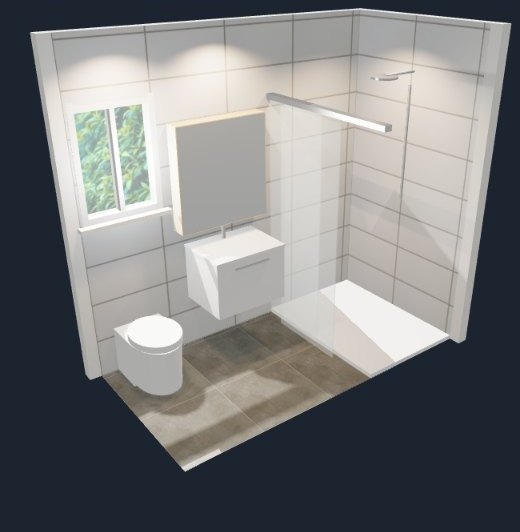
Most bathroom renovations in Auckland don't need building consent, as long as the shower, toilet and basin stay in the same room, you aren't adding fixtures, and a licensed plumber does the plumbing. The two things that usually change the answer are building a tiled shower, which Auckland Council treats as consented work, and changing the drainage or structure.
So the question of building consent for a bathroom renovation in Auckland comes down to what you're actually changing. This guide walks through the rules, the grey areas, and how each of our packages sits against them.
When you don't need consent
The Building Act lists work that doesn't need consent in Schedule 1. One of those exemptions covers sanitary plumbing in an existing bathroom. In plain terms, building.govt.nz's guidance on the exemption says you can replace or reposition sanitary fixtures, such as a shower, bath, basin or toilet pan, within an existing bathroom, provided:
- the number of sanitary fixtures doesn't go up, and
- the plumbing is done by an authorised (licensed) plumber.
That covers a lot of real renovations: a new vanity, a new toilet, a new acrylic shower where the old one was, new wall linings and flooring. We go through the detail in like-for-like bathroom renovations.
Two things people miss. First, exempt doesn't mean anything goes: the work still has to meet the Building Code. Second, the exemption is about the plumbing. If the job also touches structure, such as cutting joists or removing a wall, that part is judged on its own and may still need consent.
When you do need consent
A tiled shower
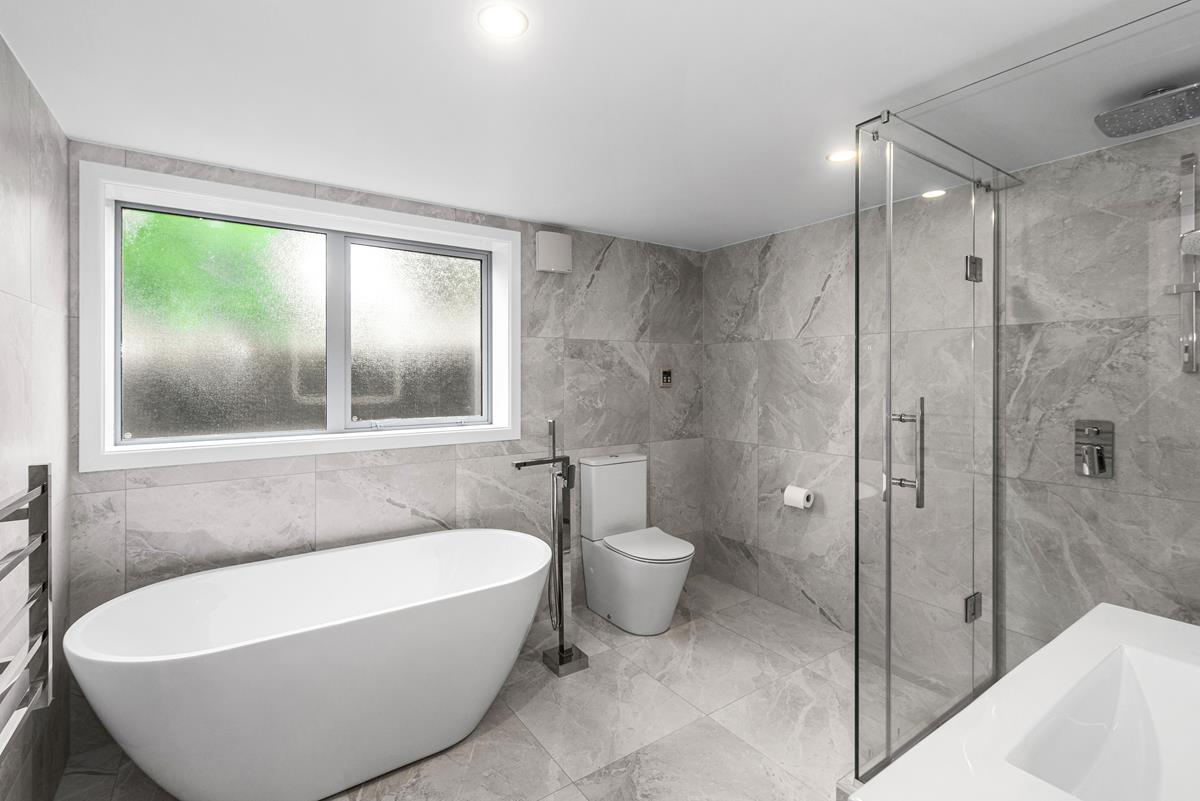
This is the big one. Auckland Council's guidance on kitchen and bathroom renovations says installing a tiled wet-area shower needs building consent, because it involves carpentry and waterproof membranes rather than just plumbing. That applies even if the new tiled shower goes in exactly where the old one was. We explain the reasoning in why a tiled shower needs building consent.
Adding a bathroom or an extra fixture
If you're adding a toilet, a second basin, a new ensuite, or turning a laundry or bedroom into a bathroom, the number of fixtures goes up or the bathroom moves to a new room. That generally takes you outside the exemption.
Changing the drainage
Moving a fixture within the room can be exempt, but if the move means altering the drains under the floor, consent is generally needed for that work. Toilets are the usual culprit, because the waste pipe is large and needs a steady fall. See moving the toilet or shower for how this plays out on timber and concrete floors.
Structural work
Removing or moving a wall, cutting into floor joists, or reframing to make the room bigger can all need consent, whatever is happening with the plumbing.
A quick guide to common jobs
This is a general guide, not a ruling on your house. Every bathroom is different, and council has the final say.
| What you're doing | Consent usually needed? |
|---|---|
| New vanity, toilet and taps in the same places | Usually not |
| New acrylic or prefab shower where the old one was | Usually not |
| Tile-look wall panels and a new floor | Usually not |
| New tiled shower, same spot or new spot | Yes, in Auckland |
| Moving fixtures within the room, no drainage change | Often not, check first |
| Moving the toilet with new drainage under the floor | Generally yes |
| Adding a toilet, basin or a whole new bathroom | Generally yes |
| Removing a wall or cutting floor joists | Often yes |
If your job is on the "check first" line, check with Auckland Council or ask us. It's much cheaper to ask before the walls come off than after.
Why waterproofing is at the centre of it
The reason council cares about tiled showers is water. Tiles and grout aren't waterproof on their own; the membrane underneath is what keeps water out of the framing. That falls under Building Code clause E3, internal moisture. If it fails, the damage is hidden behind the tiles for years.
A prefab or acrylic shower has its waterproofing built into the product. A tiled shower is built on site, so council wants to inspect it. Read bathroom waterproofing and the Building Code for what a good wet-area build looks like.
What happens in a consented bathroom
For our Full Tile package, we lodge and manage the consent before work starts. A typical consented bathroom looks like this:
- Drawings and specification. Layout, shower construction, membrane system and falls to the waste.
- Lodging the application. We lodge it with Auckland Council and answer any questions they come back with.
- Inspections during the build. Typically a pre-line inspection before the walls are closed, and a membrane inspection before tiling covers it.
- Final inspection. Once the bathroom is finished.
- Code Compliance Certificate. Council issues the CCC when it's satisfied the work matches the consent. See Code Compliance Certificates for bathrooms.
How long the paperwork and inspections take depends on council, which is why we do it before your bathroom is out of action rather than during.
Fixed price · fixed finish date
Indicative starting prices. Your fixed price is confirmed after a short site check.
Not sure which one? Plan it free in 3D or get an instant estimate.
How our packages line up with consent
We built the packages around these rules, so you know where you stand before we start.
- The Refresh (1 week, from $15,000): new shower box like-for-like, new vanity and toilet, existing floor kept. No consent needed.
- The Upgrade (2 weeks, from $25,000): adds a new acrylic shower, Traffic 200 vinyl flooring and painting. No consent needed.
- The Tile-Look (3 weeks, from $29,000): adds tile-look wall panels with no grout, a tiled floor and standard fittings. No consent needed.
- The Full Tile (4 weeks, from $35,000): fully tiled shower and walls with a new waterproofing membrane. We lodge and manage the building consent.
The first three assume the layout stays the same. If you want to move the toilet or add a fixture, we'll tell you after the site check whether that brings consent into it, and what it adds to the price. If you're weighing the tiled option against the others, tiled shower vs acrylic shower compares cost, time and consent side by side, and our cost guide covers the rest of the budget.
What about work that was never consented?
Plenty of Auckland houses have a bathroom, often a tiled shower or an added ensuite, that was built without consent. It tends to surface when you buy or sell, on a LIM or a building report. There are ways to deal with it, from applying to council for a certificate of acceptance to redoing the work properly with consent. We cover the options, with the right caveats, in buying or selling a house with an unconsented bathroom.
Rentals and ventilation
Consent isn't the only rule that touches a bathroom. If the house is a rental, the Healthy Homes ventilation standard requires an extractor fan ducted to the outside. A renovation is the easiest time to get that right. See bathroom ventilation and Healthy Homes.
Frequently asked questions
Do I need building consent for a bathroom renovation in Auckland?
Not usually, if you're replacing fixtures in the same bathroom, not adding any, and a licensed plumber does the plumbing. You generally do need consent for a tiled wet-area shower, a new bathroom or extra fixture, drainage changes or structural work. Check with Auckland Council or ask us if you're unsure.
Does replacing a tiled shower with a new tiled shower need consent?
Yes, in Auckland. Council treats a tiled wet-area shower as consented work because it relies on an on-site waterproofing membrane, even if it goes in the same place as the old one.
Can I move my toilet without consent?
Repositioning a fixture within an existing bathroom can be exempt, but moving a toilet usually means changing the drainage, and that generally needs consent. It depends on your floor and where the drains run, so check before you plan around it.
Who applies for the consent?
For our Full Tile package, we do. We prepare the drawings, lodge the application, book the inspections and apply for the Code Compliance Certificate at the end.
What happens if I renovate without consent when I needed it?
It can cause problems with insurance and when you sell, and council may require the work to be fixed. If you've found unconsented work in a house you own or are buying, talk to Auckland Council, and get legal advice where the sale is involved.