You can renovate a bathroom by hiring a plumber, electrician, builder and tiler yourself, or by hiring one company that runs the whole job. Hiring trades directly can cost less on paper, but you become the bathroom renovation project manager: you book the trades, set the order of work and sort out the problems when one trade blames another.
One company costs a margin for that management, but you get one price, one programme and one party responsible if something goes wrong. Which is right depends on how complex your bathroom is and how much time and risk you want to carry.
What a bathroom renovation project manager actually does
A full bathroom involves up to eight trades in a strict order. Strip-out, then any framing repairs, then rough-in plumbing and electrical, then linings, then waterproofing, then tiles or panels, then fit-off, then painting. Our week-by-week guide shows how that sequence runs on a fully tiled bathroom.
Someone has to:
- Book each trade so they arrive when the previous one has finished.
- Order materials so they're on site before they're needed.
- Check each stage before it's covered up, especially the membrane.
- Book council inspections if the job is consented.
- Decide what happens when something hidden turns up.
- Deal with defects after the job is done.
If you hire trades directly, that someone is you.
Hiring separate trades yourself
The upside
- You pay each trade directly, with no management margin on top.
- You choose every trade, which can suit you if you already have people you trust.
- It can work well for a small, simple job: swapping a vanity and toilet, for example.
The downside
- Gaps between trades. One trade finishes on Tuesday, the next can't come until the following Monday. A bathroom that should take two weeks takes five. See what delays bathroom renovations.
- Gaps in scope. Who patches the wall after the electrician? Who removes the rubbish? Small jobs fall between quotes and add up.
- Nobody owns the result. If the shower leaks, the tiler may blame the waterproofer, who may blame the builder's framing. Proving whose fault it is falls to you.
- Consent and paperwork. If the job needs consent, you or someone you appoint has to apply, book inspections and gather the records of work and producer statements for the Code Compliance Certificate.

Hiring one company to run the whole job
The upside
- One price. You know the total before the job starts, not after the last trade invoices.
- One programme. The company plans the trades back to back, so the bathroom is out of action for less time.
- One point of responsibility. If something isn't right, you call one number.
- Consent handled. A company that does consented work regularly knows what the inspector wants to see.
- Possible guarantee cover. A Registered Master Builder can offer the 10-Year Master Build Guarantee on eligible residential contracts of $30,000 or more. See LBP, Master Builder and the 10-year guarantee.
The downside
- You pay for the management, coordination and risk the company takes on.
- You have less say over which individual tradespeople turn up.
- A package approach may not suit a completely bespoke design.
How the two compare
| Separate trades | One company | |
|---|---|---|
| Price | Lower on paper, less certain | Fixed, includes management |
| Your time | High: you run the job | Low: decisions and sign-offs |
| Programme | Depends on each trade's availability | Planned back to back |
| If something leaks | You work out whose fault it is | One party responsible |
| Consent | You arrange it | Usually handled for you |
Fixed price · fixed finish date
Indicative starting prices. Your fixed price is confirmed after a short site check.
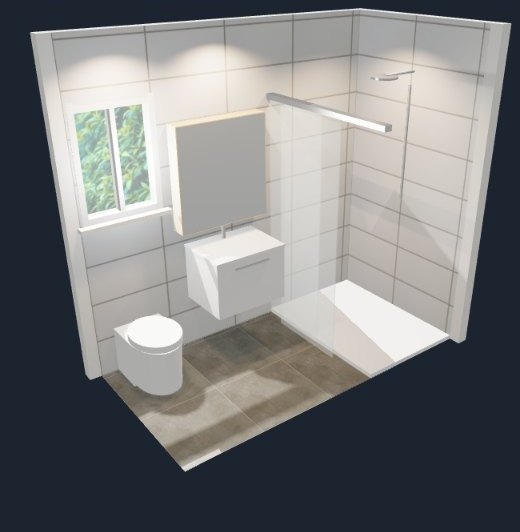
Not sure which one? Plan it free in 3D or get an instant estimate.
How we run it
At Weekly Bathrooms, we run the whole job. Each of our four packages has a fixed scope, a fixed price confirmed after a site check, and a fixed time on site from one to four weeks. If something hidden turns up, we stop, show you and price the fix before carrying on.
If you're comparing companies rather than trades, our guide to choosing a bathroom renovator in Auckland has a checklist you can use on anyone, and the 15 questions to ask will help you get straight answers.
Frequently asked questions
Do I need a project manager for a bathroom renovation?
For a small, like-for-like job, probably not. For a full bathroom with several trades, waterproofing or consent, someone has to coordinate the work. Either you do it, or you hire a company that includes it in the price.
Is it cheaper to hire trades separately for a bathroom?
It can look cheaper on paper because there's no management margin. But gaps in scope, delays between trades and fixing problems nobody owns can close that gap quickly.
Who is responsible if a shower leaks after the renovation?
If one company ran the job, they're responsible for the whole result. If you hired trades separately, you may need to work out which trade caused the problem before anyone will fix it.