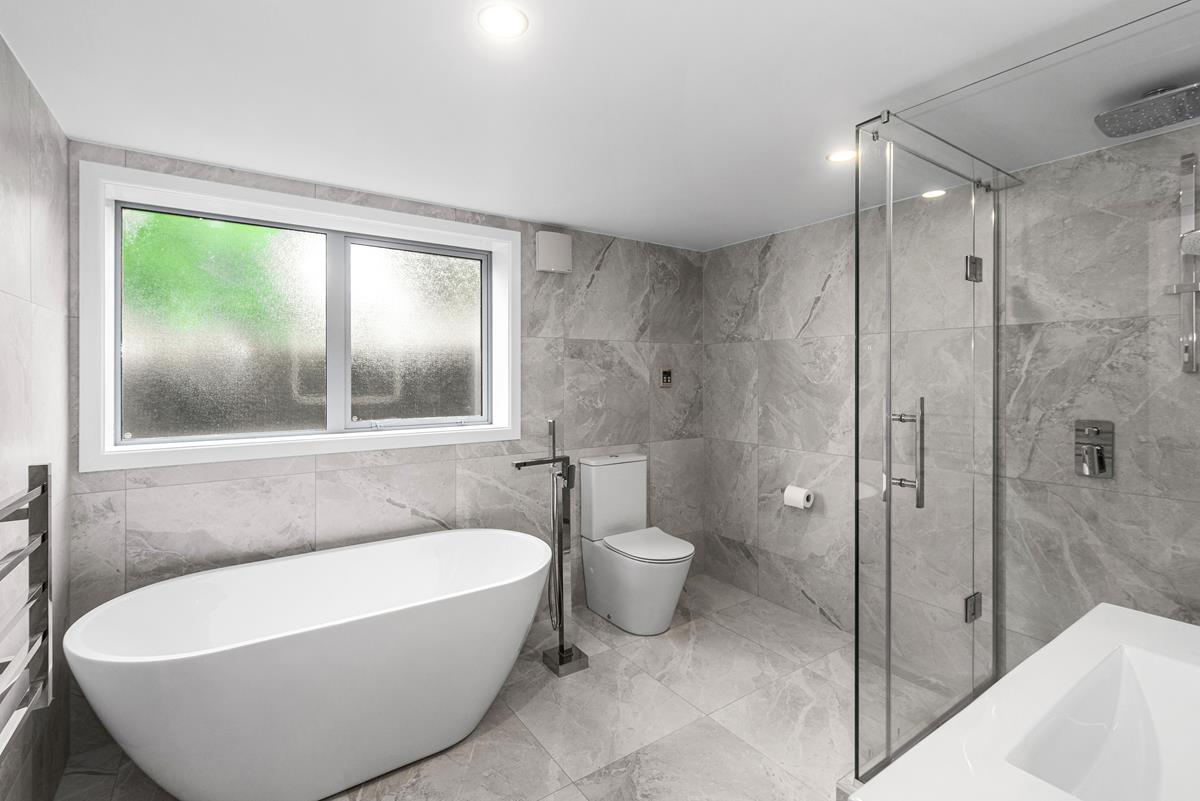
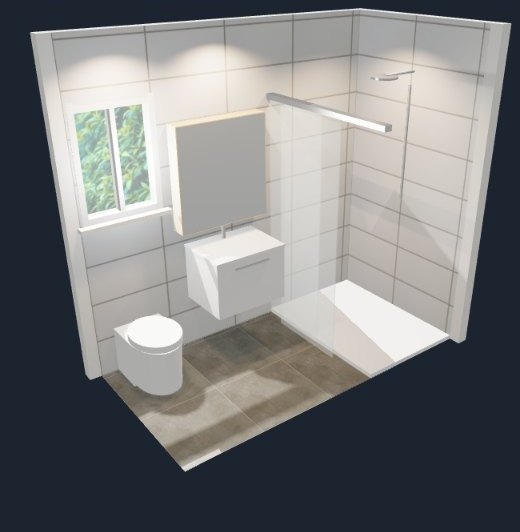
Moving the toilet or shower within your existing bathroom can be done without building consent in some cases, but moving a toilet usually means altering the drainage, and that generally needs consent in New Zealand. It also costs more than most people expect, because the expensive part is under the floor, not the fixture itself.
If you're thinking about a new layout, here's how a move affects consent, time and price in an Auckland bathroom.
What the rules allow
The sanitary plumbing exemption in Schedule 1 of the Building Act lets an authorised plumber replace or reposition fixtures such as a shower, bath, basin or toilet pan within an existing bathroom, as long as the number of fixtures doesn't go up. We go through the conditions in like-for-like bathroom renovations.
So the word "reposition" is in there. But the exemption is about the plumbing inside the room. Once a move needs changes to the drains, or cutting into the structure, you're generally into consented work. That's where most toilet moves end up.
Why the toilet is the hard one
A basin or a shower waste is a fairly small pipe and can often be run a short way within the floor or wall. A toilet is different:
- The waste is large and needs a steady fall all the way to the drain.
- It usually connects straight into the drainage below the floor, rather than into a nearby pipe.
- There's little room to play with. Even moving it a metre can mean the fall no longer works from the new spot.
On a suspended timber floor, common in villas and bungalows, the plumber or drainlayer may be able to get under the house, but the new pipe may need to run through or alongside joists. Cutting joists is structural and needs care, and often consent.
On a concrete slab, common in newer houses and townhouses, moving a toilet usually means cutting and breaking out the slab, laying new drainage, and making the slab good again. It's noisy, dusty and slow.
Moving the shower
Moving a shower is often more manageable, but it still depends on the floor and where the waste can run. A few things to think about:
- A tiled shower needs consent in Auckland anyway, wherever it goes. See why a tiled shower needs building consent.
- A level-entry shower needs the floor set down or built up so it falls to the waste. That can mean work on the joists or slab.
- Waterproofing has to suit the new position, including where the wet zone meets the rest of the floor. More on that in bathroom waterproofing and the Building Code.
How a layout change affects cost and time
We don't publish prices for layout changes because they vary so much with the floor and the drains. What drives the cost, in words:
- How far the fixture moves and whether the fall still works.
- The floor type: under-floor access on timber, or cutting a slab.
- Whether consent is needed, which adds design, lodging and inspections.
- Making good: new flooring, wall repairs and sometimes the ceiling below on an upper floor.
All of our packages are priced on the layout staying the same. If you want to move something, we look at it during the site check and tell you in writing what it adds and whether it brings consent into the job, before you commit. Our cost guide shows the starting prices.
Fixed price · fixed finish date
Indicative starting prices. Your fixed price is confirmed after a short site check.
Not sure which one? Plan it free in 3D or get an instant estimate.
Is it worth moving things?
Sometimes, yes. If the toilet is the first thing you see from the hallway, or the door hits the vanity every morning, a better layout can be worth every bit of the extra work.
But often the same goal can be reached without moving the drains:
- A wall-hung vanity or a shallower basin can free up floor space.
- Swapping the bath for a walk-in shower in the same footprint changes how the room feels.
- Changing the door swing, or using a cavity sliding door, solves a lot of clashes.
Our small bathroom ideas have more layout tricks that keep the plumbing where it is.
Frequently asked questions
Do I need consent to move a toilet in NZ?
Repositioning a toilet within the same bathroom can be exempt, but it usually means altering the drainage, and drainage changes generally need consent. It depends on your floor and where the drains run, so check with Auckland Council or ask us first.
Can I move my shower to the other side of the bathroom?
Often, yes, but it depends on the floor, the waste route and the type of shower. A tiled shower needs consent in Auckland in any position. A prefab shower moved within the room may be exempt if no drainage changes are needed.
Does moving the toilet add a lot of time?
It can. A slab may need cutting and repairing, and consented work adds a design and inspection stage. We tell you the effect on the programme after the site check.
Can I add a second toilet without consent?
Generally no. Adding a fixture increases the number of sanitary fixtures, which takes the work outside the exemption. Our guide to bathroom consent in Auckland covers this in more detail.